
Narayan Nagbali Puja in Trimbakeshwar — Cost, Vidhi, Muhurat & Booking 2026
Thousands of devotees from across India visit Trimbakeshwar every year to perform Kaal Sarp Dosh Puja — one of the most powerful Vedic rituals for removing the malefic effects of Rahu and Ketu from the birth chart. As one of the 12 sacred Jyotirlingas of Lord Shiva, Trimbakeshwar is the most effective and spiritually potent place to perform Kaal Sarp Dosh Nivaran Puja. Book your puja today with our certified Tamrapatradhari Pandits and get relief from career delays, relationship problems, financial struggles, and health issues caused by this.
Free Kundali Check | Puja from ₹2,100 | Narayan Nagbali 2026 — Book Early
What is Narayan Nagbali Puja?
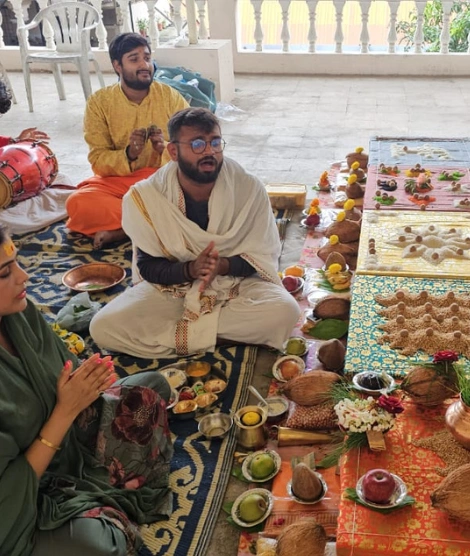
Narayan Nagbali Puja is one of the most sacred and powerful Vedic rituals performed exclusively at Trimbakeshwar Jyotirlinga in Maharashtra. This puja is a combination of two important rituals — Narayan Bali and Nagbali — performed together to remove ancestral doshas, karmic burdens, and negative energies affecting the family. According to Hindu scriptures, this ritual is highly effective for resolving problems related to Pitru Dosh, Nag Dosh, repeated obstacles, financial struggles, health issues, family conflicts, and lack of peace in life.
Narayan Bali Puja is performed to provide peace and liberation to the souls of ancestors who died unnatural, accidental, or untimely deaths and could not receive proper last rites. Such restless souls are believed to create Pitru Dosh, which may cause repeated failures, delays, stress, and suffering within the family.
Nagbali Puja is performed to remove the karmic effects of harming or killing a serpent knowingly or unknowingly, in this life or past lives. In Hindu tradition, serpents are sacred and associated with Lord Shiva and Nag Devta, and harming them is believed to create Nag Dosh in the family.
Why Narayan Nagbali Puja is Performed ONLY at Trimbakeshwar
1. Prescribed in Ancient Scriptures The Garuda Purana, Dharma Sindhu, and Skanda Purana all explicitly name Trimbakeshwar as the prescribed Pitru Karma Kshetra — a sacred ground specifically empowered for all ancestral rituals. Performing Narayan Nagbali anywhere else has no scriptural validity.
2. Trimbakeshwar Jyotirlinga — One of the 12 Divine Shiva Lingas Trimbakeshwar is home to one of the 12 Jyotirlingas of Lord Shiva. The divine energy (Shakti) of the Jyotirlinga amplifies every ritual performed here. At Trimbakeshwar, the energies of Lord Vishnu (invoked in Narayan Bali) and Lord Shiva’s Nag Devta (invoked in Nagbali) converge in the same sacred space — making it the only location where both aspects of the ritual receive their full spiritual power.
3. Origin of the Holy Godavari River The Godavari River, one of India’s most sacred rivers, originates at Kushavarta Kund right beside the Trimbakeshwar temple. The sacred Godavari water used in all rituals carries a divine purifying energy equal to the Ganga for Pitru Karmas. The Pind Daan, Tarpan, and Visarjan performed in Godavari water at Trimbakeshwar carry incomparable spiritual weight.
Narayan Nagbali Puja Vidhi — Complete 3-Day Step-by-Step Process
The Narayan Nagbali Puja is performed over three consecutive days at the Ahilya-Godavari Sangam near Trimbakeshwar Temple. Each day has a distinct spiritual purpose. Daily puja time is 3 to 5 hours. Devotees must arrive one day before Day 1 to settle, rest, and take a holy bath in Kushavarta Kund.
Day 1 — Narayan Bali Ritual (Pitru Dosh Nivaran & Ancestral Liberation)
Day 1 is entirely dedicated to freeing the souls of ancestors who died untimely deaths. The entire ritual mimics the Hindu funeral rites to complete what was left unfinished for the departed soul. The puja begins at dawn.
- Sankalp (Sacred Vow): The devotee formally declares the purpose of the puja, stating the names, gotra, and manner of death of the ancestors whose souls need liberation. This sankalp activates the spiritual authority of the entire ritual.
- Kalash Sthapana: A sacred copper pot (kalash) filled with Godavari water is established in the mandap. Gold idols of Vaivasvat Yama (God of Death) and Lord Vishnu (Narayan) are placed and worshipped in full 16-step Shodashopachara puja to invite divine presence into the ritual space.
- Panchdevta Pujan: Five main deities are worshipped Lord Ganesha (for obstacle removal), Lord Vishnu, Lord Shiva, Goddess Shakti, and Surya to bless all three days of the ritual.
- 108 Pitru Tarpan: Water mixed with black sesame (kaala til) and flowers is offered 108 times to satisfy all Pitru Devtas from the last 7 generations of the family’s ancestors.
- Narayan Putla (Effigy) Creation: An effigy representing the body of the departed ancestor is crafted from wheat flour, sesame, and sacred materials. This effigy is treated exactly as a human body it represents the soul that needs liberation.
- 16-Step Narayan Bali Vidhi: The effigy undergoes all 16 Shodashopachara pujas bathing, clothing, adorning, feeding exactly as full funeral rites. Darbha grass is spread southward (the direction of Pitru Devtas). Specific mantras are chanted to invite the trapped soul to enter the effigy and receive the rites it was denied in death.
- 10 Pindas with Honey and Ghee: Ten rice-ball offerings mixed with honey, ghee, and sesame seeds are placed on darbha grass while chanting the Kashyapgotra mantra for the departed soul’s liberation.
- Narayan Putla Dahan (Effigy Cremation): The wheat-flour effigy is ceremonially cremated, completing the formal funeral rites and releasing the soul from its karmic bondage. This is the most powerful moment of Day 1.
- 16 Pind Daan: Rice-ball offerings are made to 16 generations of ancestors for their complete satisfaction and peace.
- Shraddha of Last 7 Ancestors: A full Shraddha ritual complete with food, water, and prayers is conducted for the last seven generations of the family’s ancestors.
- Pind Visarjan: All pindas are floated into the Godavari River, symbolically sending the liberated souls on their onward journey toward moksha.
Day 2 — Nagbali Ritual (Nag Dosh Removal & Serpent Karma Cleansing)
Day 2 is fully dedicated to removing the sin of harming a serpent and clearing all serpent-related karmic blockages accumulated over generations.
- Sankalp for Nag Dosh Nivaran: The devotee takes a specific sacred vow for Nag Dosh relief, stating the nature of the serpent harm committed by themselves or their ancestors.
- Nag-Nagin Effigy Preparation: A serpent couple effigy (Nag and Nagin) is carefully crafted from wheat flour and placed in the mandap. Silver or clay naag-nagin idols are also arranged for worship.
- Swarna Nag Pratima Pujan: Gold serpent idols are worshipped with flowers, milk, kumkum, and sindoor invoking Nag Devta’s presence, forgiveness, and blessings.
- Nag Pujan 108 Mantras: Special Nag Devta mantras are chanted 108 times, offering prayers and seeking the serpent’s forgiveness for all harm caused knowingly or unknowingly by the family.
- Pitra Dhyan Mantra Japa: The Pitra Dhyan mantra is chanted 1,100 times while meditating upon the departed ancestors and Nag Devta for their collective peace.
- Nag Putla Dahan (Serpent Effigy Cremation): The wheat-flour serpent effigy is ceremonially cremated completing the formal last rites for the serpent whose death or harm created the Nag Dosh. This act formally closes the karmic account.
- Havan / Agni Kriya: Sacred materials including ghee, sesame, specific herbs, and havan samagri are offered into the sacred fire. The fire destroys remaining doshas, purifies the family’s spiritual aura, and burns away accumulated serpent karma.
- Karmic Dissolution Ritual: Final prayers and rituals are performed to formally break the karmic bond between the devotee’s family and all serpent-related sins from this and past lives.
Day 3 — Poornahuti, Final Tarpan & Ritual Completion
Day 3 seals the entire 3-day ritual with complete spiritual closure, ensuring both the Narayan Bali and Nagbali pujas are formally concluded and all blessings are fully bestowed.
- Gauri-Ganesh Pujan: Day 3 begins with worship of Lord Ganesha and Goddess Gauri to ensure an auspicious and obstacle-free conclusion to the entire 3-day ritual.
- Deep Puja and Surya Pujan: Lamp offerings and Sun worship invite divine light, positivity, and warmth into the family going forward.
- Final Pind Daan and Tarpan: Additional rice-ball offerings and water offerings are made for the ancestors ensuring their complete satisfaction and that no ancestral soul has been left unattended.
- Havan and Poornahuti: The concluding fire ritual the most sacred havan of the three days. The Poornahuti marks the formal completion of all puja procedures.
- Brahman Bhoj (Brahmin Food Offering): As prescribed by the shastras, the Pandit requests Brahmins to perform tilanjali (sesame water offering) for the departed souls. A Brahmin receives new clothing, decorations, and gifts as daan this is a mandatory part of the ritual and must not be skipped.
- Visarjan: All puja materials pindas, flowers, effigies, samagri are respectfully immersed in the flowing Godavari River. This marks the complete release of all ancestral souls and the full dissolution of the family’s karmic burden.
- Ashirwad (Final Blessings): The Pandit blesses the devotee and their entire family for peace, protection, good health, financial stability, and the prosperity of all future generations.
Narayan Nagbali Puja Samagri List
Arranged by Our Pandit (Included in Package):
• Wheat-flour Narayan Putla (ancestor effigy) and Nag-Nagin Putla (serpent effigy)
• Gold idols of Vaivasvat Yama and Lord Vishnu for Day 1 kalash setup
• Silver and clay naag-nagin idols for Nag Pujan
• Copper kalash filled with Godavari water
• Darbha grass, puja utensils, mandap setup materials
• Pindas prepared from rice, barley, sesame, honey, and ghee
• Black sesame (kaala til) in large quantity for 108 Pitru Tarpan
• Havan kund, havan samagri (ghee, samidha wood, herbs, sesame, specific plant offerings)
• Panchamrit milk, curd, honey, ghee, sugar for abhishek
• Flowers, garlands, Bilva leaves, kumkum, turmeric, sandalwood paste
• Incense sticks, dhoop, ghee lamps (diyas)
• Daan items as prescribed by shastras vastra, grains, fruits, copper vessels
Narayan Nagbali Puja Muhurat and Best Dates 2026
Unlike Kaal Sarp Dosh Puja, which can be performed on many dates, Narayan Nagbali Puja has only 2 to 3 auspicious muhurat windows per month. Choosing the correct tithi dramatically increases the power and effectiveness of the ritual. Advance booking is strongly recommended — Pitru Paksha 2026 slots fill months ahead.
Most Auspicious Days and Tithis:
- Pitru Paksha (Sharad Pitru Paksha September – October 2026): The 15-day period dedicated entirely to ancestors is the most powerful season of the entire year for Narayan Nagbali. Performing the puja during Pitru Paksha multiplies its effect manyfold. Slots fill 2 to 3 months in advance — book immediately.
- Mahalaya Amavasya (Sarva Pitru Amavasya): The last day of Pitru Paksha. The single most powerful day of the entire year for any ancestral ritual. Performing Narayan Nagbali on this day carries maximum spiritual benefit.
- Amavasya (No Moon Day): The most accessible auspicious date occurs once a month. Pitru energies are at their peak on Amavasya. This is the most commonly chosen date for Narayan Nagbali Puja.
- Purnima (Full Moon): The second-best option when Amavasya is not available for travel.
- Chaturdashi Tithi: The 14th day of the lunar calendar, prescribed in the shastras specifically for Pitru Karmas.
- Auspicious Nakshatras Pushya, Magha, Punarvasu: These nakshatras are considered spiritually open for Pitru rituals. Confirm the nakshatra date with our Pandit.
- Shravan Month (July – August 2026): The entire Shravan month is sacred to Lord Shiva. Mondays during Shravan are especially powerful for this combined Vishnu-Shiva ritual.
- Pitruda Ekadashi: The 11th day after Amavasya specifically beneficial for severe Pitru Dosh cases.|
- Important: The exact muhurat must be confirmed with our Pandit based on your personal kundali, travel plan, and the Panchang. Some dates have restrictions depending on planetary positions.
Benefits of Narayan Nagbali Puja in Trimbakeshwar

Pitru Dosh Nivaran
The ancestral souls attain peace and liberation. The family is freed from the generational curse of unresolved karma. Patterns of repeated suffering that have afflicted multiple generations finally break.

Relief from Untimely-Death Karma
Recurring accidents, unexplained tragedies, and sudden deaths in the family reduce significantly after the puja.

Career and Financial Progress
Business obstacles, unexpected financial losses, and career stagnation caused by ancestral karma begin to resolve. Efforts finally get rewarded in proportion to the work done.

Marriage Delays and Conflicts Resolved
Unexplained delays in finding a suitable marriage partner and ongoing marital conflicts linked to Pitru Dosh are alleviated.
Nag Dosh Completely Cleared
All negative consequences from serpent-related karma including fear, nightmares, sudden setbacks, and unexplained family suffering are removed.
Frequently Asked Questions — Narayan Nagbali Puja Trimbakeshwar
Q. What is the cost of Narayan Nagbali Puja in Trimbakeshwar in 2026?
The cost of Narayan Nagbali Puja in Trimbakeshwar ranges from ₹4,000 for a basic individual package up to ₹17,000 for a full Pitru Paksha couple package with accommodation assistance. The standard couple package is ₹6,500 to ₹9,000. All packages include 3 – day samagri, all effigies, pandit dakshina, and daan items. There are absolutely no hidden charges the exact cost is confirmed before you pay. Contact us on WhatsApp for a precise quote based on your requirements.
Q. How many days does Narayan Nagbali Puja take?
Narayan Nagbali Puja is a 3-day ritual. Day 1 is Narayan Bali for ancestral liberation. Day 2 is Nagbali for serpent karma removal. Day 3 is the Poornahuti, final Tarpan, Brahmin Bhoj, and Visarjan for complete ritual closure. Daily puja time is 3 to 5 hours. Devotees should plan a 4 to 5 day trip to Trimbakeshwar arriving one day early and resting one day after the ritual.
Q. When is the best time to perform Narayan Nagbali Puja in 2026?
The best time is Pitru Paksha (September–October 2026), specifically on Mahalaya Amavasya — Sarva Pitru Amavasya — which is the most powerful day of the entire year for this ritual. Other excellent times are any Amavasya (monthly), Purnima, Shravan month (July – August), and auspicious nakshatras like Pushya, Magha, and Punarvasu. Pitru Paksha 2026 slots fill 2 to 3 months in advance contact us immediately to secure your booking.
Q. Who should perform Narayan Nagbali Puja?
Families where a member died an untimely death (accident, suicide, snake bite, drowning), where last rites were incomplete, where there are repeated miscarriages or child health problems, where a cobra was harmed by the family, and where there is recurring financial loss, unexplained illness, or nightmares about ancestors or snakes. An astrologer’s confirmation of Pitru Dosh or Nag Dosh in the kundali is the clearest signal. Our Pandit offers a free kundali check before you commit to booking.
Q. Can husband and wife perform Narayan Nagbali Puja together?
Yes — and it is strongly recommended. Husband and wife performing together means both families’ ancestral karma is addressed in a single puja. We offer a dedicated Couple Package. Both must be present for all 3 days and must observe all the rules (fasting, celibacy, dress code) together.
Q. What is the difference between Narayan Nagbali and Tripindi Shraddh?
Both are ancestral pujas performed at Trimbakeshwar, but they address different problems. Narayan Nagbali is performed when a family member died an untimely death whose soul needs liberation, or when there is Nag Dosh from harming a serpent. Tripindi Shraddh is performed when three generations of ancestors are troubled due to incomplete Shraddha rituals over the years. Many families perform both together during Pitru Paksha for comprehensive ancestral healing.