
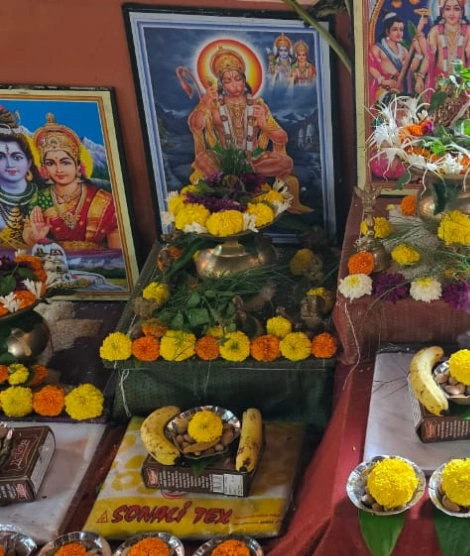
Tripindi Shradh Puja in Trimbakeshwar — Vidhi, Muhurat, Dates 2026

Think back. When did your family last perform Shraddh for your ancestors? If the honest answer is “we haven’t — not for years” — your ancestors may be waiting. According to the Vedic shastras, when Shraddh rituals are not performed for three consecutive years, the souls of three generations of ancestors become deeply unsatisfied. They cannot ascend. And their restlessness flows directly into the lives of their living family as blocked progress, recurring illness, financial struggles, and unexplained family conflict. This condition has one prescribed remedy

Puja from ₹2,100 | Tripindi Shradh Puja 2026 — Book Early

What is Tripindi Shradh Puja?

The name comes from three Sanskrit words: Tri (three) + Pindi (rice-ball offering / pinda) + Shradh (ancestral offering performed with faith). Tripindi Shradh is therefore the ritual of offering pindas to three generations of ancestors simultaneously father, grandfather, and great-grandfather (from the paternal side) — when they have been deprived of regular Shraddh rites for three or more years.

As per the Shastras, it is better to periodically offer Shraddh to ancestors on their death anniversary. When Shradh puja is not done for three consecutive years, Tripindi Shraddh puja should be offered so that the souls of ancestors can rest in peace.

Unlike Narayan Nagbali — which is for ancestors who died an untimely death — Tripindi Shradh is prescribed specifically when ancestors died naturally but were never given their due annual Shraddh rites. It is the most important ritual for families where the tradition of Pitru seva has been broken.

The Dharma Sindhu, Nirnaya Sindhu, and Skanda Purana all prescribe Trimbakeshwar as the supreme location for Tripindi Shradh. The holy Godavari water, the energy of the Jyotirlinga, and the specific sacred ground beside the temple make every offering here reach the ancestors with incomparable power.

3 Types of Rudrabhishek at Trimbakeshwar — Which One is Right for You?

Tripindi Shradh Narayan Nagbali
For whom Ancestors who died naturally but Shraddh was neglected for 3+ years Ancestors who died an untimely, unnatural death (accident, suicide, drowning)
Duration Single day (4–5 hours) 3 days
Main purpose Satisfy three generations of neglected ancestors Liberate trapped souls of those who died untimely
Can both be done together? Yes — many families do both during Pitu Paksha Yes — recommended for severe Pitra Dosh

If you are unsure which applies to your family — contact our Pandit for a free kundali check. Many families need both.

Signs That Tripindi Shradh is Needed in Your Family

• Persistent financial losses or inability to save wealth despite good income

• Career repeatedly stagnating at the same point — promotions blocked, business not growing

• Unexplained health problems in the family, especially among elder members

• Conflict and misunderstanding between family members without clear reason

• Dreams in which ancestors appear troubled, sad, asking for food or water

• Children facing recurring health issues or educational setbacks

• Delays in marriage or ongoing marital conflicts

Tripindi Shradh Puja Vidhi — Complete Step-by-Step Process

Tripindi Shradh at Trimbakeshwar is a single-day ritual taking 4 to 5 hours. It is performed by our Tamrapatradhari Pandits at the sacred Godavari Sangam beside the Jyotirlinga. The complete vidhi follows this sequence:

1

Purification and Preparation

The devotee takes a holy bath in Kushavarta Kund — the sacred Godavari pond beside the temple — to purify the body and mind before the ritual begins.

2

Sankalp

The puja formally begins with a sacred vow. The devotee declares their name, gotra, the names of the three generations of ancestors, and the purpose of performing Tripindi Shradh. This sankalp directs the full power of the ritual to the specific ancestral souls.

3

Kalash Sthapana

A sacred copper Kalash filled with Godavari water is established. Three divine beings are invoked — Lord Brahma (in a silver vessel), Lord Vishnu (in a gold vessel), and Lord Shiva (in a copper vessel) — representing the three cosmic forces that govern the afterlife journey of the soul.

4

Gauri-Ganesh Pujan

Lord Ganesha and Goddess Gauri are worshipped to remove all obstacles and ensure the ritual proceeds without interruption.

5

Panchang Sthapana and Navagraha Pujan

The sacred Panchang is established, and all nine planets are worshipped to neutralise any malefic planetary influence connected to Pitra Dosh.

6

Shodasha Matrika Pujan

The sixteen divine mothers (Shodasha Matrikas) are worshipped — their blessings are essential for all ancestral rituals as they govern the feminine lineage of the family’s karma.

7

108 Pitru Tarpan

Water mixed with black sesame seeds (kaala til) is offered 108 times to the ancestors. Each offering calls the ancestors by name and invites them to receive the nourishment they have been denied.

8

Preparation of Three Pindas

Three distinct rice-ball pindas are carefully prepared — one for the father’s generation, one for the grandfather’s generation, and one for the great-grandfather’s generation. Each is mixed with honey, ghee, and sesame seeds as prescribed in the shastras.

9

Tripindi Puja — Offering to Three Generations

The three pindas are formally worshipped with flowers, lamps, and water. The Pandit chants specific Pitru mantras for each generation, inviting each ancestral soul to accept the offering and receive peace.

10

Brahma, Vishnu, Mahesh Puja

The three divine presences in the kalash vessels are worshipped with full Shodashopachara (16-step) puja — invoking their combined authority to grant liberation to the three generations being appeased.

11

Pind Daan at the Sangam

The three pindas are taken to the Godavari Sangam — the river confluence — and offered into the sacred water with prayers for ancestral liberation. This is the most sacred moment of the entire ritual. Godavari water carries the offerings directly to Pitru Loka.

12

Pind Visarjan

After the Pind Daan, all ritual materials are respectfully immersed in the Godavari — formally closing the karmic account for three generations of ancestors.

13

Brahman Bhoj and Daan

As prescribed by the Dharma Shastras, a Brahmin is fed and given charity (vastra, grains, copper vessel) on behalf of the ancestors — this daan is a mandatory completion of the ritual. Skipping it reduces the puja’s effect.

14

Ashirwad

The Pandit blesses the devotee and all family members for health, peace, prosperity, and the restored flow of ancestral grace into the family.


Best Dates and Muhurat for Tripindi Shradh 2026

  • Pitru Paksha 2026:
    Most Powerful Period: The most auspicious muhurat to perform Tripindi Shraddh Puja at Trimbakeshwar is during Pitra Paksha  Sun, 27 September 2026 to Sat, 10 October 2026. Every day of Pitru Paksha is dedicated to one specific ancestral tithi. Performing Tripindi Shradh during this period multiplies the ritual’s benefit enormously. Slots fill completely — book 2 to 3 months ahead.

  • Sarva Pitru Amavasya:
    Best Single Day: Sarva Pitru Amavasya  10 October 2026 is the best day for Tripindi Shradh if the death tithi of ancestors is unknown, multiple ancestors need to be appeased, or the puja is performed for Pitru Dosh relief. This is the single most powerful day of the year for all ancestral rituals.

  • Monthly Amavasya Dates 2026:
    Jan 29 | Feb 28 | Mar 29 | Apr 27 | May 27 | Jun 25 | Jul 24 | Aug 23 (Shravan — highly auspicious) | Sep 30 | Oct 21 | Nov 19 | Dec 19

  • Best Time of Day:
    Tripindi Shradh should be performed before sunset, ideally in Aparahna time — the afternoon period between 12 noon and 3 PM, which is the most prescribed time for all Pitru rituals in the Dharma Shastras.

  • Other Auspicious Days: Purnima, Ekadashi, and the death anniversary (tithi) of specific ancestors  confirmed by our Pandit based on your family’s lunar calendar.

Benefits of Tripindi Shradh Puja at Trimbakeshwar

Ancestral Peace Restored

Ancestral Peace Restored

Three generations of neglected ancestors are simultaneously satisfied — they receive the nourishment and liberation they were denied, and their restlessness stops affecting the living family

Pitra Dosh Removed

Pitra Dosh Removed

The root cause of Pitra Dosh neglected Shraddh is directly addressed and resolved

Family Obstacles Cleared

Family Obstacles Cleared

Career blockages, financial stagnation, and unexplained family conflicts linked to ancestral karma begin to dissolve.

Generational Healing

Generational Healing

Problems that have run through the family for multiple generations repeated illness, relationship failures, financial loss begin to break after the ancestors are at peace

Marriage and Children

Marriage and Children

Delays in marriage and difficulties in conceiving linked to Pitra Dosh improve after the ritual.

Mental Peace

Mental Peace

Recurring dreams of troubled ancestors and unexplained anxiety within the family reduce significantly.

Ancestral Peace Restored

Ancestral Blessings Flow Again

The family begins to receive the blessings, protection, and grace of three satisfied generations of ancestors — which manifests as restored luck, opportunity, and harmony

Frequently Asked Questions

Regular Shraddh (Pitru Shraddh) is an annual ritual performed on the death anniversary (tithi) of a specific ancestor — one ancestor per ritual. Tripindi Shradh is performed specifically when Shraddh has been neglected for three or more years and three generations of ancestors need to be appeased simultaneously in a single comprehensive ritual. Tripindi Shradh is far more extensive than annual Shraddh — it uses three separate pindas, three Kalash vessels, 108 Pitru Tarpan, and a complete Brahman Bhoj. It is the prescribed catch-up remedy when annual Shraddh has not been performed.

Yes — and this is one of the most important reasons to perform Tripindi Shradh. Many families do not know the exact death dates (tithis) of their ancestors, which makes tithi-specific annual Shraddh impossible. Tripindi Shradh covers all three generations simultaneously regardless of the specific death tithi. The ideal day in this case is Sarva Pitru Amavasya — specifically designed in the Hindu calendar for offering Shraddh to all ancestors whose death dates are unknown.

Tripindi Shradh is a single-day ritual taking 4 to 5 hours from start to completion. It is performed in one continuous session — there is no multi-day requirement. The ritual is typically performed in the afternoon during Aparahna Kaal (between 12 noon and 3 PM) as prescribed by the Dharma Shastras. Devotees can complete the entire ritual and travel back the same day if needed.

Both married and unmarried people can perform Tripindi Shraddh Puja at Trimbakeshwar. However, as per Vedic tradition, a male member of the family — ideally the eldest son or the family head — must perform the Pind Daan, which is the central act of the ritual. A woman can be present and participate throughout the puja but the Pind Daan step requires a male performer. If no male family member is available, our Pandit will guide accordingly.

Tripindi Shradh is the right choice when Shraddh rituals have been neglected for years but ancestors died natural deaths. Narayan Nagbali is required when an ancestor died an untimely or unnatural death — by accident, suicide, drowning, or murder — and their soul was never liberated. Many families need both. Our Pandit determines the correct ritual or combination after a free kundali check and discussion of your family history. Do not guess — the wrong ritual addresses the wrong problem.